Research and Ongoing Projects
Explore my research projects and their impact on the field of wireless sensor networks, machine learning, and more.
A Hybrid Approach for Localisation of Sensor Nodes in Remote Locations
- Objective: Propose a novel method for localising wireless sensor network (WSN) nodes in large, remote outdoor areas without relying on GPS, which is energy-intensive.
- Key Contributions:
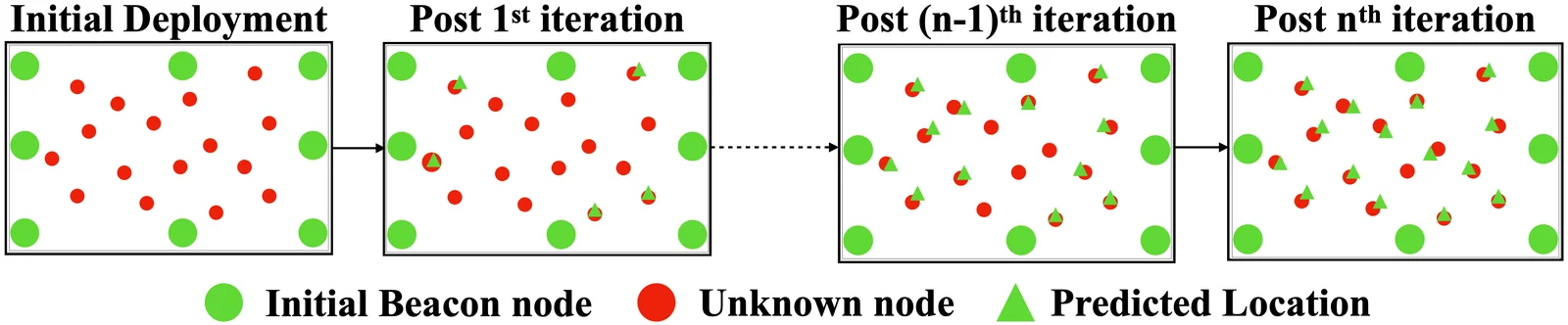
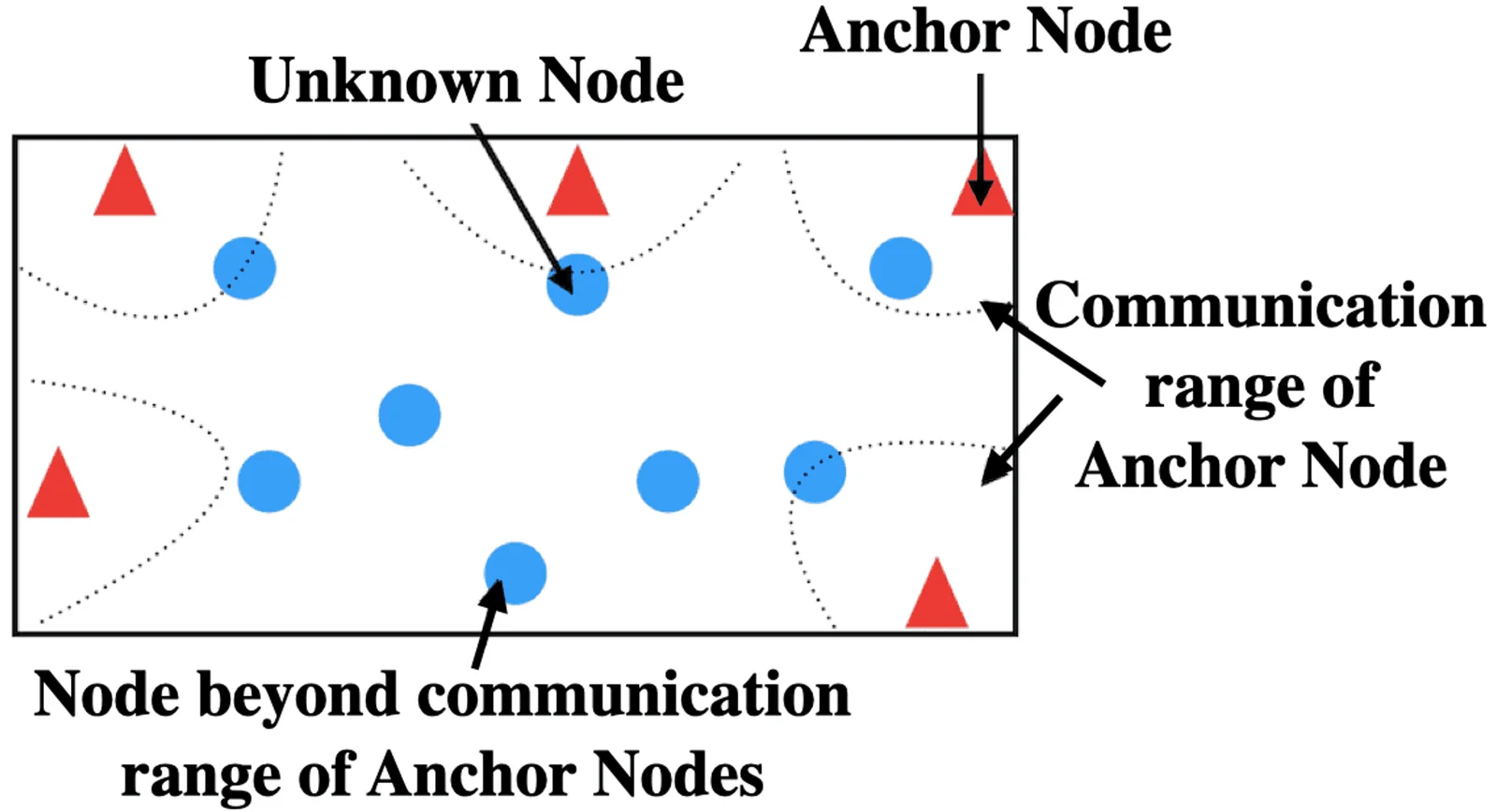
- Localisation with Minimal Beacons: The method localises unknown nodes using only one beacon node by combining RSSI (Received Signal Strength Indicator) and AoA (Angle of Arrival).
- Iterative Process: New beacon nodes are created iteratively, enabling progressive localisation of the entire area.
- Innovative Hardware: A low-cost, stepper motor-based mechanism is proposed for AoA measurements.
- Advantages:
- Efficient for large regions where most nodes are not within the communication range of multiple beacon nodes.
- Requires fewer beacon nodes (1% of total nodes), reducing costs and deployment complexity.
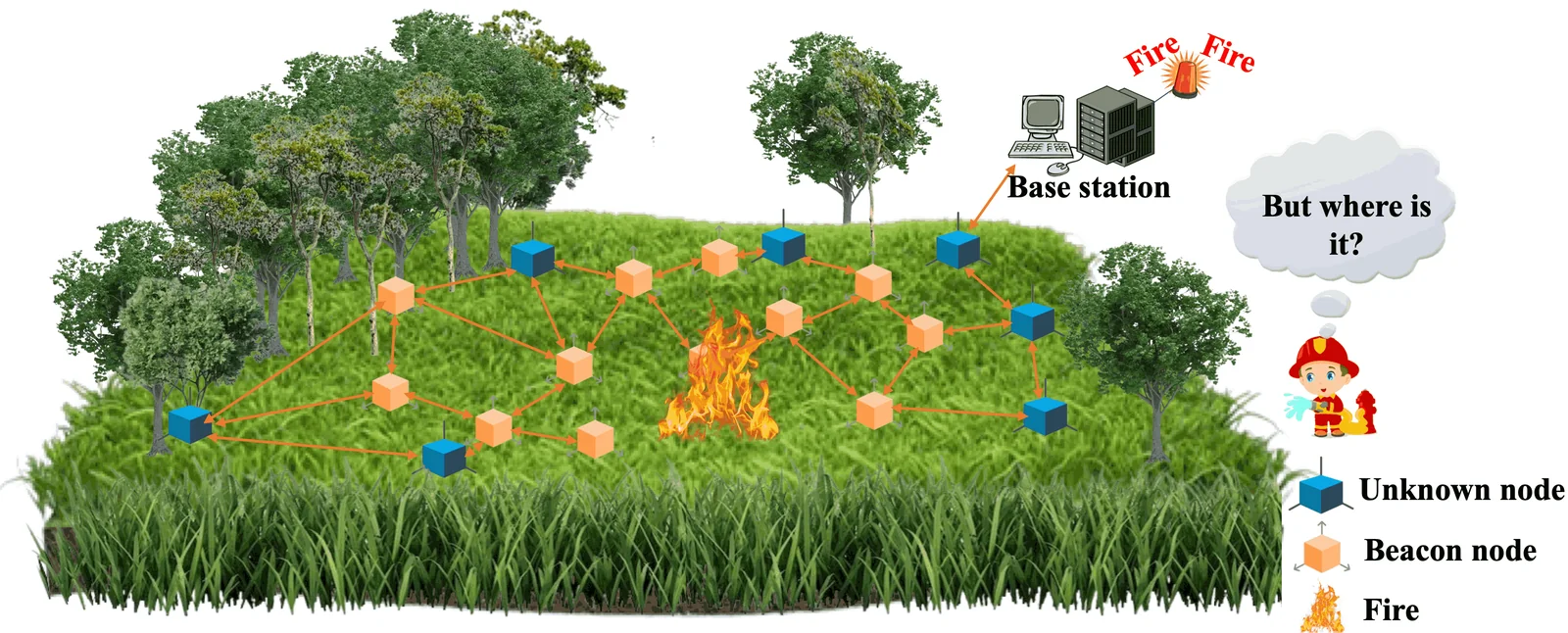
- Applications: Designed for challenging environments like forests or glaciers, e.g., Melghat Tiger Reserve, for early fire detection.
- Conclusion: The proposed method significantly improves localisation efficiency with fewer resources and better scalability than traditional methods.
Collaborator: Prof. Abhishek Srivastava
Dynamic Cluster Head Selection in WSN
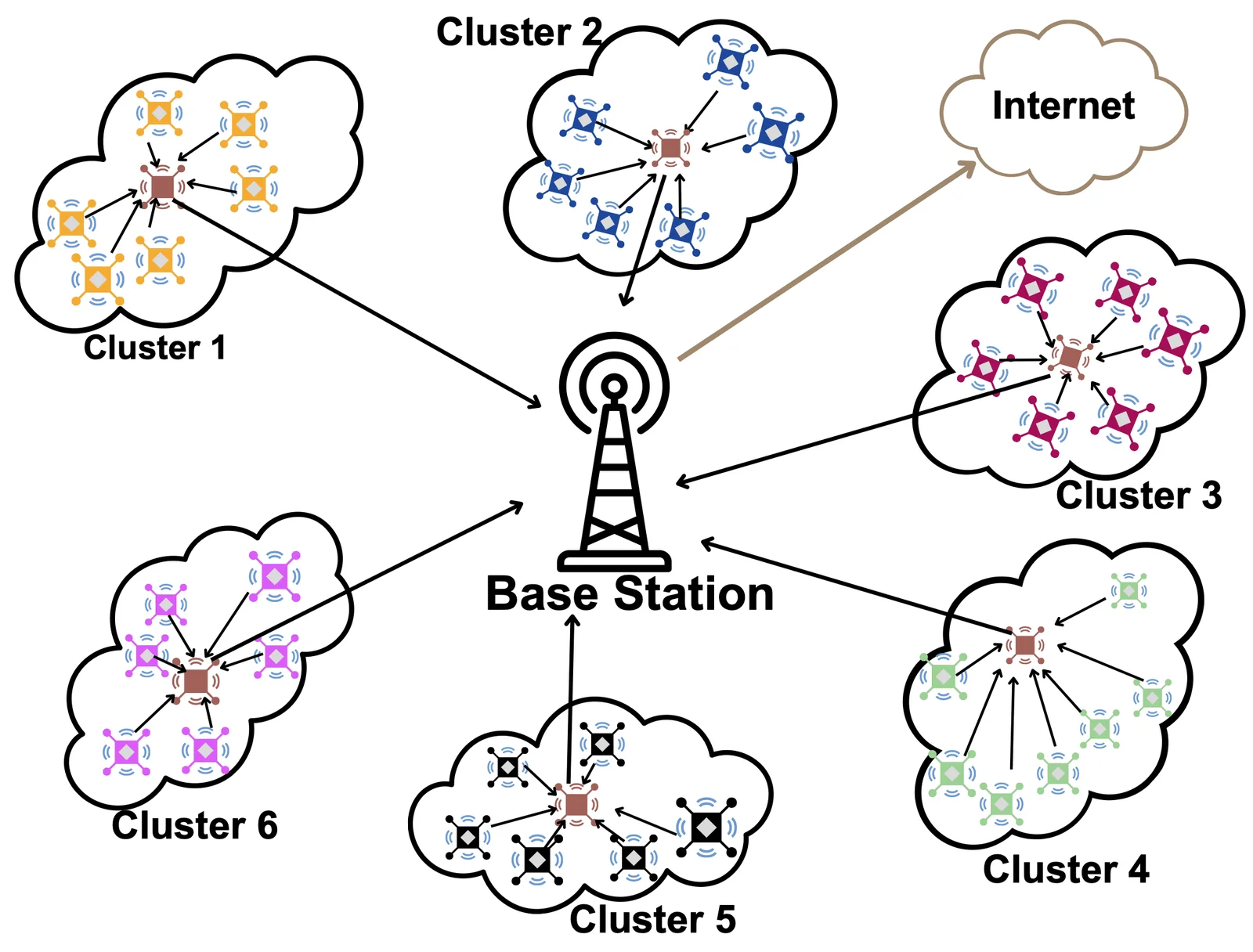
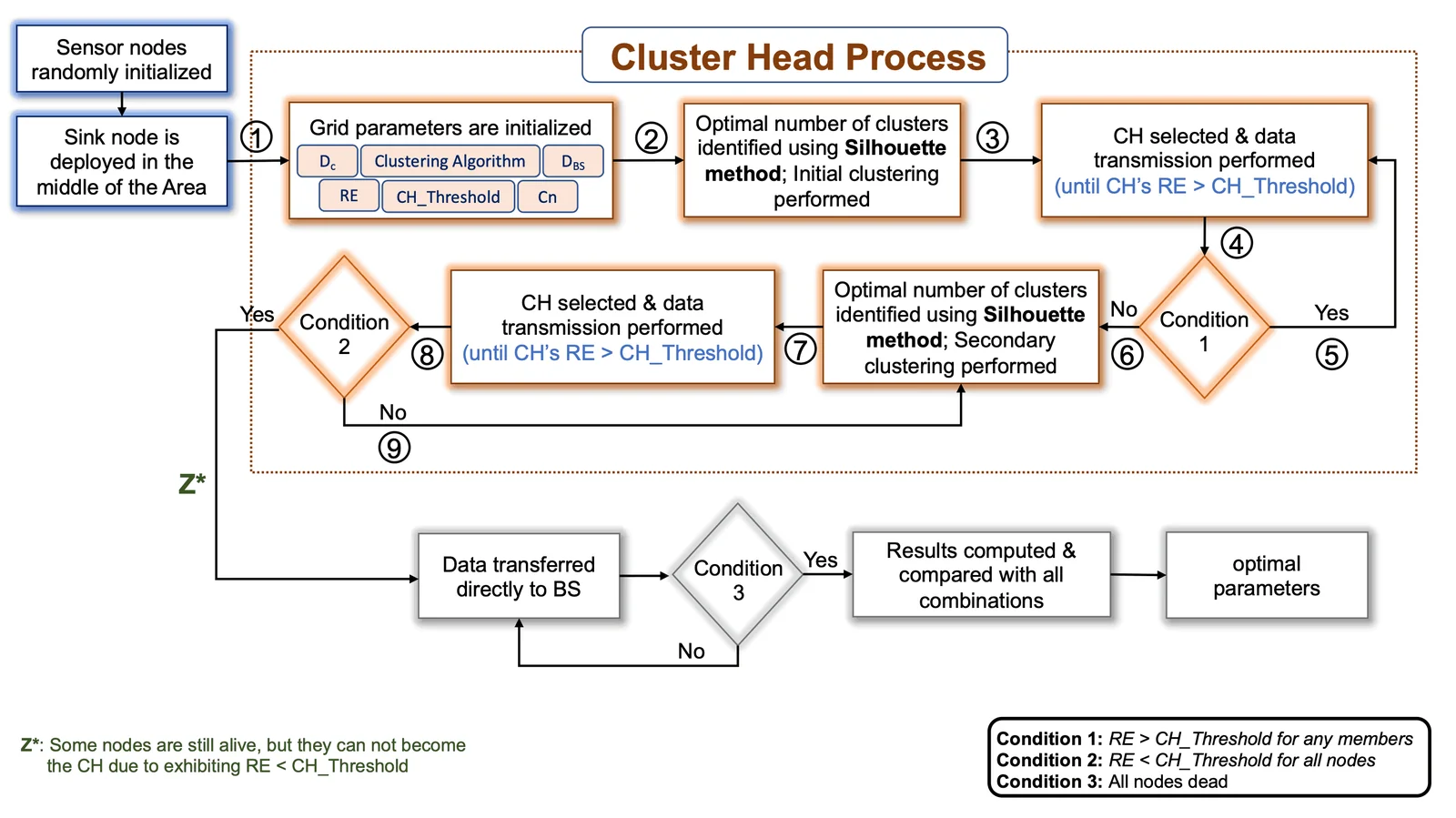
- Objective: Propose an improved cluster-based routing approach for wireless sensor networks (WSN) to enhance energy efficiency and prolong network lifetime.
- Key Contributions:
- Hybrid Clustering: Uses K-Means for initial clustering based on spatial parameters, then adopts Self-Organizing Maps (SOM) for subsequent clustering, incorporating residual energy as a parameter.
- Dynamic Cluster Head (CH) Selection: CH selection is based on multiple factors like residual energy, distance to cluster centroid and base station, and node connectivity. The weights of the parameters are optimised using the Grid search method.
- Energy Threshold: CHs remain active until their energy drops below a defined threshold, minimising frequent CH changes.
- Advantages:
- Significantly reduces clustering frequency and CH selection overhead.
- Prolong network uptime by ensuring balanced energy utilisation.
- Achieves superior performance in terms of data packet transmission, reduced communication distance, and fewer CH changes.
- Applications: Designed for challenging environments where the replanishing of batteries is difficult.
- Conclusion: The proposed approach ensures efficient energy utilisation, improves network stability, and extends the lifespan of WSNs.
Collaborator: Prof. Abhishek Srivastava
Priority-based scheduler for Asymmetric Multi-core in Edge Computing Linux Devices
- Objective: Introduce a new task scheduling algorithm for asymmetric multi-core edge computing systems to optimise performance and energy efficiency by prioritising task allocation based on core capabilities.
- Key Contributions:
- Dynamic Task Allocation: High-priority tasks are assigned to high-performance cores. Medium- and low-priority tasks are directed to energy-efficient cores.
- CPU Ranking: Cores are ranked based on performance through dummy task execution.
- Parallel Scheduling: Uses OpenMP for task parallelism and CPU affinity to bind tasks to specific cores.
- Linux Scheduler Enhancement: Improves upon the default Linux Completely Fair Scheduler (CFS) for asymmetric multi-core processors.
- Advantages:
- Improved energy utilisation and system efficiency.
- Better prioritisation of critical tasks in edge computing scenarios.
- Applications: Modern computing devices like mobiles, GPUs, and computer systems use multiple cores with different capabilities.
- Conclusion: The proposed approach ensures efficient task scheduling for high-priority tasks in Asymmetric multicores.
Collaborator: Prof. Abhishek Srivastava
A Study and Analysis of a New Hybrid Approach for Localization in WSNs
- Objective:Develop a hybrid approach for accurate localization in Wireless Sensor Networks (WSNs) without relying on GPS, addressing the challenges of large deployment areas and limited communication ranges.
- Key Contributions:
- Hybrid Technique:
- Combines machine learning (ML) (using Random Forest) and multilateration to overcome the limitations of individual techniques.
- ML provides high initial accuracy.
- Multilateration allows iterative localization for nodes beyond the communication range of anchor nodes.
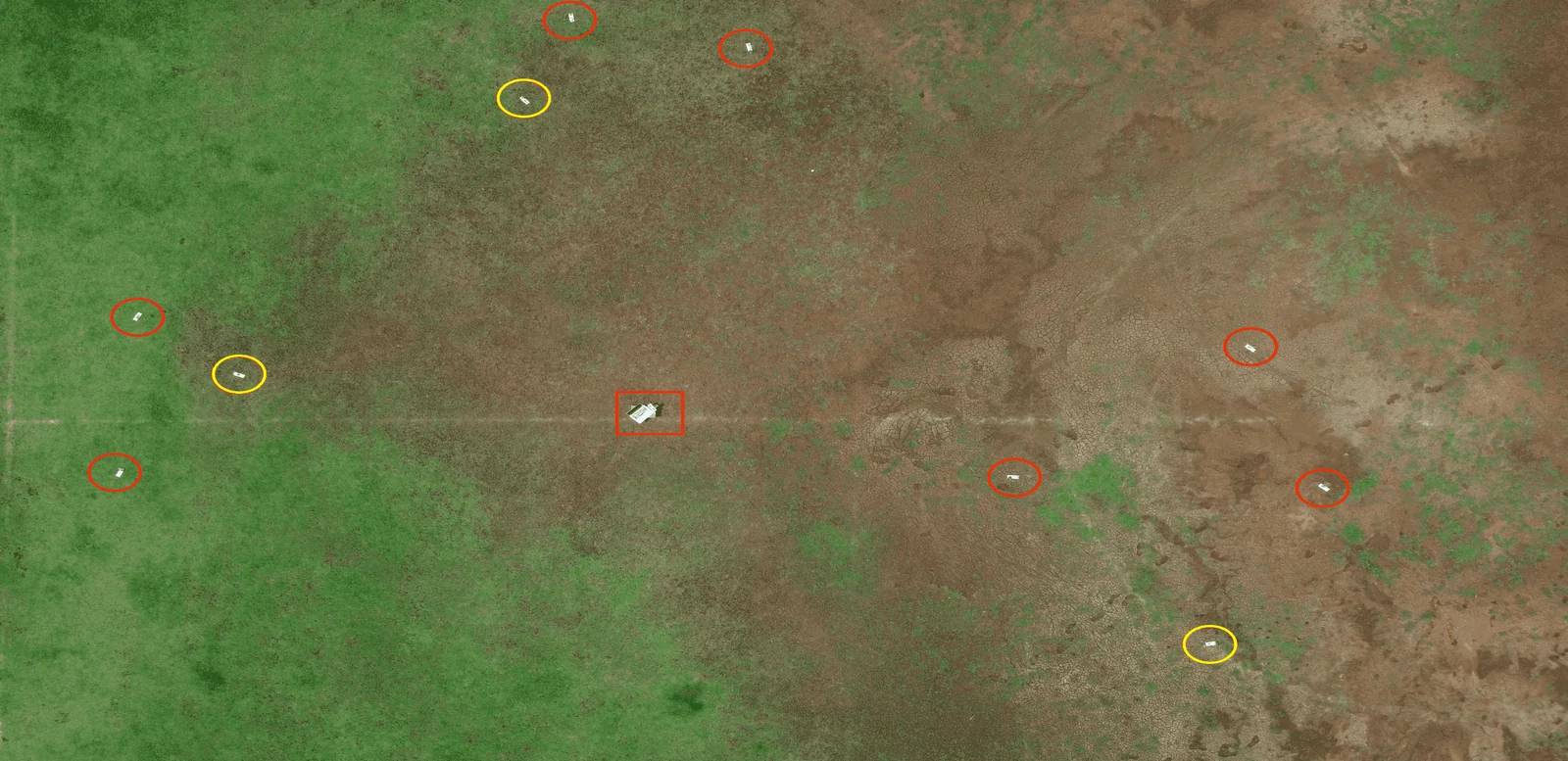
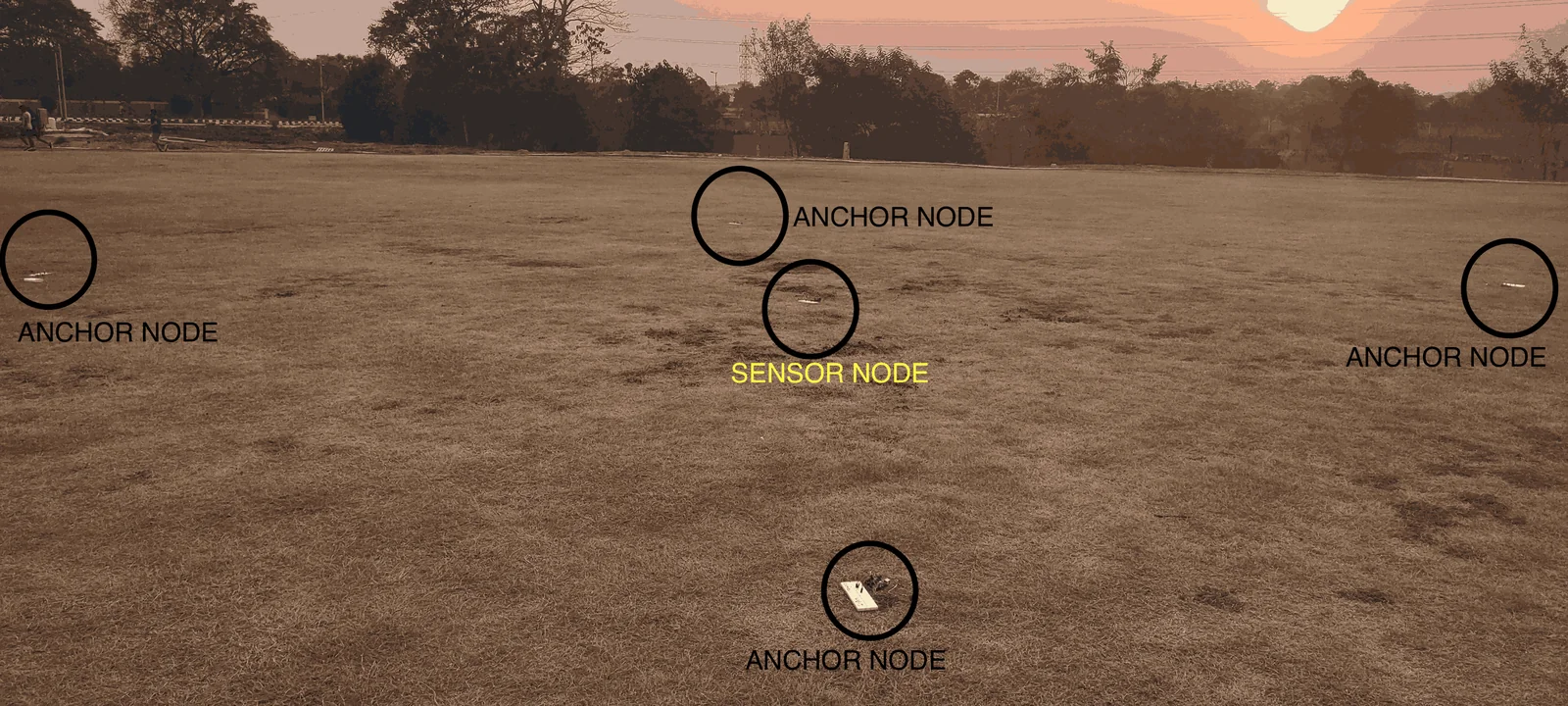
- Simulated and Real-World Evaluation: The approach is validated through simulated
datasets and a real-world prototypical implementation.
- Efficient Localization: Achieves accurate localization in environments with limited anchor nodes and large areas.
- Advantages:
- Reduces dependency on GPS, making it suitable for remote and inaccessible terrains.
- Provides accurate initial localization with ML and scalable coverage with multilateration.
- Demonstrates resource efficiency for energy-constrained WSN nodes.
- Applications:
- Environmental monitoring (e.g., forest fire detection in dense terrains).
- Smart city infrastructure and IoT systems. Disaster management in remote areas.
- Conclusion: The hybrid approach effectively balances the accuracy of ML with the iterative scalability of multilateration, making it suitable for large-scale WSN deployments. Future work includes exploring more robust algorithms and refining deployment scenarios for enhanced accuracy and scalability.
Collaborator: Uttkarsh Aggarwal, Prof. Abhishek Srivastava
A product recommendation system for solving the cold start problem
- Objective:Develop a recommendation system to address the cold start problem by utilizing limited user and product information.
- Key Contributions:
- Proposed a four-phase methodology for recommendation:
- Web Usage Data Analysis: Preprocess web access logs to prepare data.
- Frequent Pattern Mining: Use the Apriori algorithm to identify frequently purchased products.
- Behavior-Based Filtering: Employ user click streams and K-Nearest Neighbor (KNN) to refine recommendations.
- Final Filtering: Incorporate cost, brand, and social media reviews to rank and recommend products.
- Implemented the system using Java and evaluated performance metrics like accuracy, error rate, time, and memory usage.
- Advantages:
- Achieves high accuracy with minimal error rates.
- Effectively resolves the cold start problem without prior knowledge of user behavior.
- Applications:
- E-commerce platforms for personalized product recommendations.
- Web-based services like banking and browsing for suggesting relevant options.
- Conclusion: The proposed model is effective in tackling the cold start problem by leveraging web usage logs and behavior analysis. It offers accurate, efficient, and scalable recommendations suitable for real-world applications. Future work includes exploring additional features and probabilistic models to further enhance system performance.
Collaborator: Shrutika Chouhan